
How to Prepare Your Furnace for Winter in Pennsylvania
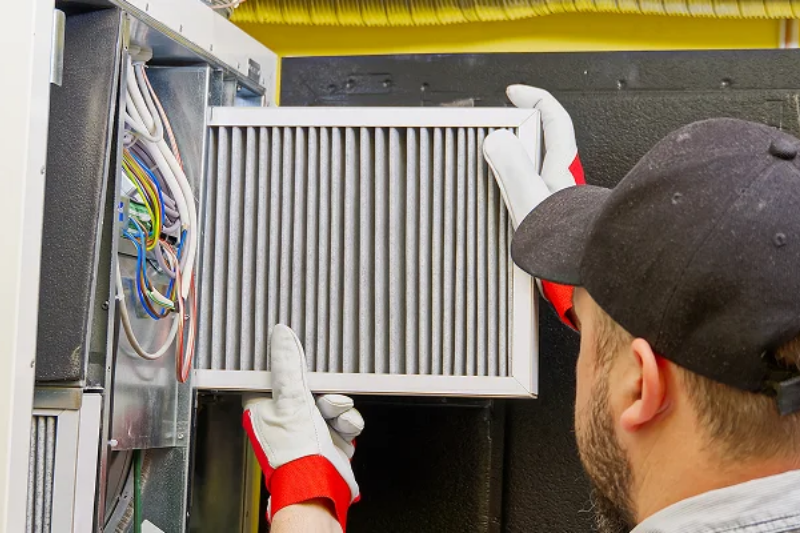
Pennsylvania winters have a habit of showing up uninvited and overstaying their welcome, which is exactly why your furnace deserves a little attention sooner rather than later. After sitting relatively idle throughout the warmer months, your heating system can collect dust and debris and may even develop maintenance issues that can cause it to stall or malfunction when you reach for the thermostat.
But it’s not just about getting the furnace to work. It can also mean more dependable heat in the long run, improved efficiency, and lower energy costs. Not to mention catching small problems before they become much more expensive emergency repairs during the busy winter season. And that’s another reason not to delay: everyone in Pennsylvania needs heat too, and once those temperatures start dropping, HVAC companies tend to get extremely busy with maintenance calls and furnace repairs.
Winter is coming, and now is the time to prepare your furnace so you can stay cozy and comfortable over the next few months. So, in this guide, we’ll walk you through a few simple steps on what to look for and when to schedule a tune-up so you can stay ahead of wintertime HVAC headaches.
How To Test Your Furnace Before You Need It
There’s no better time to discover that your furnace has a problem than before you actually need to use it in the wintertime. That’s why it’s important to give your furnace a test run to listen and look for any issues.
So on a cool fall day, switch your thermostat to heat and let your furnace run for a while. And don’t just turn it on, feel a puff of warm air, and call it a day. Give it enough time to reach the temperature you set on the thermostat. This gives you a chance to see how the furnace actually performs before winter starts rolling in.
As it runs, pay attention to a few things:
- Does the furnace start promptly? A delay or trouble starting could signal an issue.
- Is warm air coming from your vents? The airflow should feel warm and distribute evenly throughout your home.
- Does the system reach the temperature you set? If your furnace runs without getting the room to a comfortable temperature, something may be off.
- Does everything sound normal? Listen for strange noises, frequent starts and stops, and unexpected shutoffs.
Now, you might also notice a slight dusty smell the first time you use it, which is normal and due to accumulated dust inside after months of sitting idle. What’s not normal are persistent burning or electrical odors, which require a qualified HVAC professional to come take a look.
So give your furnace a quick test run now so you can have peace of mind and plenty of time to address any potential problems.
How To Replace or Inspect the Air Filter
Give your furnace’s air filter a little more credit, because it catches all kinds of dust, dirt, pet hair, and other airborne particles before they make their way through your HVAC system. But too much debris and that filter can get clogged and restrict airflow, forcing your furnace to work harder to circulate warm air throughout your home. All of that extra effort can reduce overall efficiency, rack up your energy bills, and put even more unnecessary strain on the system, which may call for even more maintenance and repairs down the line.
The good news? Checking your filter is one of the easiest things you can do yourself. Take a look at it once a month during the heating season, and if it looks gray, dusty, or noticeably clogged, then it might be time for a replacement.
As a general rule of thumb, most furnace filters should be replaced every one to three months, but it depends on your household conditions. Homes with pets may need more frequent filter changes because of the extra hair and dander. Anyone with allergies may also benefit from replacing filters more often. But if you’re ever in doubt about whether or not to change the filter, give it a quick look or check the manufacturer’s recommendations.
Why You Should Check the Thermostat
Your furnace can be in perfect condition, but your thermostat might not be. Start by switching it to heating mode and raising the temperature a few degrees. Your furnace should respond fairly quickly to start heating up your home. If the thermostat doesn’t seem to be communicating with the HVAC system or if the temperature reading seems off, that might signal an underlying issue.
While you’re at it, check the batteries if your thermostat uses them, because weak batteries can cause display problems or prevent the thermostat from communicating properly. If you have a programmable thermostat, now is also a good time to review and update your temperature schedule, especially for the upcoming winter season.
Now, if you’re still using a basic thermostat, you might want to consider upgrading to a smart or programmable model. These can make it easier to manage your home’s temperature automatically, which may improve overall energy efficiency and comfort in your home. Take a few quick minutes now to review all of these aspects of your thermostat so you can stay ahead of any issues down the line.
Clear Vents and Return-Air Registers
Your furnace can do all the heavy lifting, but it can’t exactly deliver warm air through a blocked vent. So before winter settles in, take a quick walk around your home and make sure your vents and return-air registers aren’t covered up by furniture, rugs, curtains, or whatever else has slowly migrated in front of them. It’s also a good idea to give the registers a quick vacuum to remove visible dust and debris, which allows warm air to keep moving freely throughout your home.
But just be sure not to close too many vents in unused rooms. Your HVAC system is designed to distribute air throughout your home, and closing too many vents can put extra strain on the system and interfere with the overall airflow.
Lastly, check the airflow throughout your home. Stand near several vents while the furnace is running and see if the airflow feels relatively consistent from room to room. If one area has noticeably weaker airflow or certain rooms seem colder than the rest of the house, then it could point to an underlying issue that a qualified HVAC professional needs to look at.
Inspect the Area Around the Furnace
Your furnace needs some breathing room too, so before winter arrives, be sure to take a quick look and clear any clutter. Things like boxes, cleaning products, paint, and other combustible materials might seem harmless at first, but keeping them too close to heating equipment may create dangerous safety concerns.
So keep the space around your furnace clean, clear, and accessible, and avoid storing anything directly against the furnace or blocking access to its controls and service panels. This will also give the HVAC technician plenty of room to safely inspect the equipment and perform any necessary repairs.
Finally, it’s a good idea to look at utility-room doors and ventilation openings to make sure they’re not being blocked. Again, proper ventilation is important for airflow and safety, so make sure these areas remain clear and free of clutter.
Check Carbon Monoxide and Smoke Detectors
Smoke and carbon monoxide detectors quietly go unnoticed throughout the year, so it’s important to check on them regularly, especially before the winter season.
Start by testing every smoke and carbon monoxide detector in your home by pressing the test button and making sure that the alarm sounds properly. It’s also a good idea to replace the batteries if they’re weak or dead.
For carbon monoxide detectors, make sure you have them near sleeping areas and on every level of your home. Carbon monoxide is colorless and odorless, so you can’t rely on your nose to tell you that there’s a problem.
It’s worth checking the age of your detectors too. These devices don’t live forever, and manufacturers typically recommend replacing them after a certain number of years. Check the manufacturer’s instructions and replace any detectors that have reached the end of their recommended service life.
Most importantly, never ignore a carbon monoxide alarm. If it sounds, take it seriously and follow the manufacturer’s safety instructions. Get everyone outside and contact emergency services as soon as possible.
Look for Furnace Warning Signs
Your furnace will usually give you a few hints when something isn’t quite right. Keep an eye and an ear out for these red flags, which all warrant professional attention:
- Unusual banging, rattling, or squealing. Strange noises can point to loose, worn, or damaged components.
- Frequent cycling. If your furnace keeps turning on and off more often than usual, something may be interfering with normal operation.
- Weak or uneven airflow. Noticeably weak air from your vents or rooms that never seem to warm up could indicate an airflow or system issue.
- Unexpected increases in heating costs. If your energy bills suddenly climb without a major change in your usage, your furnace may be working harder than it should.
- Persistent odors. A brief dusty smell when you first turn on the furnace can be normal, but lingering burning or electrical odors should be looked at.
- A yellow or flickering burner flame. If you have a gas furnace, the burner flame should generally be blue and steady. A yellow or flickering flame can indicate a combustion or safety issue.
- Difficulty starting the system. If your furnace struggles to turn on, repeatedly fails to start, or shuts down unexpectedly, these are all signs to contact an HVAC professional.
- Cold spots throughout the home. If certain rooms remain noticeably colder than others even when the furnace is running, there could be an issue with airflow or the heating system itself.
None of these automatically means your furnace is on its way out. But they are signs to call an HVAC professional before a small problem turns into a much bigger, more expensive one.
Schedule a Professional Furnace Tune-Up
There’s only so much you can do when it comes to basic furnace prep, especially when it starts emitting warning signs. That’s why it’s important to schedule a professional furnace tune-up to make sure everything is working safely and efficiently before the temperatures start to drop.
During a tune-up, a technician can:
- Inspect and clean key components. A technician can remove built-up dirt and debris and check that important parts are in good working condition.
- Check electrical connections. Loose or faulty connections can affect performance and create safety concerns, so a technician can make sure everything is properly connected.
- Test safety controls. A technician can verify that the furnace’s safety features are working as they should.
- Examine the burner and heat exchanger, as these play an important role in safe furnace operation.
- Confirm proper airflow. Restricted or uneven airflow can make your furnace work harder, so checking airflow is an important part of maintenance.
- Identify developing problems before winter. A professional may catch worn components or other issues before they turn into a full-blown breakdown.
- Help your furnace operate safely and efficiently. Regular professional maintenance can help your system perform more reliably throughout the winter season.
And finally, do not attempt to open, repair, or adjust internal furnace components yourself. Internal furnace work can involve electricity, fuel, combustion, and other safety concerns, so repairs and adjustments should always be handled by a qualified HVAC professional.
Know When Furnace Replacement May Be the Better Option
There comes a point in every furnace’s life when it needs to retire and be replaced. After all, constantly repairing an aging furnace can be far more expensive than replacing it. So if your furnace is getting up there in years, keep an eye out for these signs that replacement may be imminent:
- Your furnace is around 15 to 20 years old. Furnaces don’t last forever, so if yours is approaching or exceeding this age range, it may be time to replace it.
- Repairs are becoming more frequent or expensive. One repair here and there is one thing. But if your furnace seems to have a growing list of warning signs and repair bills, then this might be more costly than just replacing it.
- Your heating bills keep climbing. If your energy use hasn’t changed significantly but your heating costs continue to rise, then your furnace may be working harder than it should.
- The system cannot maintain consistent temperatures. If some rooms are freezing while others feel like a sauna, or your furnace runs constantly without maintaining your desired temperature, the system may be struggling to keep up.
- A major repair would cost a substantial percentage of a replacement. Before spending a large amount on repairing an older furnace, it’s worth comparing the repair cost with the price of a new, more efficient system.
Replacement isn’t automatically the answer just because your furnace is old. But if several of these warning signs are showing up at once, it might be time to talk with an HVAC professional about your options.
Winter Is Coming. Is Your Furnace Ready?
The first day of winter is definitely not the time to discover that your furnace isn’t working properly. That’s why a little preparation now can help you stay ahead of unexpected issues and breakdowns to keep your system running efficiently throughout the winter season. And when it comes to components you can’t safely inspect yourself, or if you notice blaring warning signs emitting from your HVAC system, it’s best to contact a qualified professional for service inspection.
And that’s where Home & Business Mechanical comes in, helping homeowners and business owners throughout Delaware County. We provide furnace repair, installation, seasonal tune-ups, preventative maintenance, and heating system replacements, as well as 24/7 emergency HVAC services to keep your heating system ready for whatever winter has in store.
Make sure your furnace is ready for another Pennsylvania winter. Contact Home & Business Mechanical for a professional heating system inspection or tune-up in Delaware County and the surrounding area. Schedule a furnace inspection.
Frequently Asked Questions
When should I schedule a furnace tune-up?
The best time to schedule a furnace tune-up is before the winter season gets into full swing, ideally in early fall. Scheduling early can also help you beat the seasonal rush, since HVAC companies tend to get much busier in the wintertime.
How often should I replace my furnace filter?
Most furnace filters should be replaced every one to three months, but your household may call for a different schedule. Homes with pets, heavier-than-average dust, or anyone with allergies may need more frequent filter changes. A good rule of thumb is to check the filter monthly, and if it looks dirty, dusty, or clogged, it’s probably time to replace it.
Is it normal for a furnace to smell when it is first turned on?
A slight dusty smell when you first turn on your furnace for the season can be normal because of all the accumulated dust from sitting idle for months. The smell should fade fairly quickly, though. If you notice persistent burning, electrical, or unusual odors, don’t ignore it. Turn off the system and contact a qualified HVAC professional to have it checked out.
How can I tell if my furnace needs repair?
Your furnace may be asking for professional attention if you notice strange noises, frequent cycling, weak or uneven airflow, difficulty reaching the thermostat setting, unexpected shutoffs, unusual odors, rising heating bills, or cold spots throughout your home. For gas furnaces, a yellow or flickering burner flame could also indicate a major problem. Overall, if your furnace starts behaving strangely, it’s better to contact an HVAC professional and have them investigate.
How long does a typical furnace last?
A typical furnace can last around 15 to 20 years with proper maintenance, although its actual lifespan depends on factors like the type of system, how often it runs, installation quality, and how well it’s been maintained. So if your furnace is getting up there in years and repairs are becoming more frequent or expensive, it might be worth discussing replacement options with an HVAC professional.